

Love, Nature, and the Fragile Ecologies of Tsy Possible
Writing by Saidat Animasaun
Images courtesy of Charlotte Yonga
September 2025
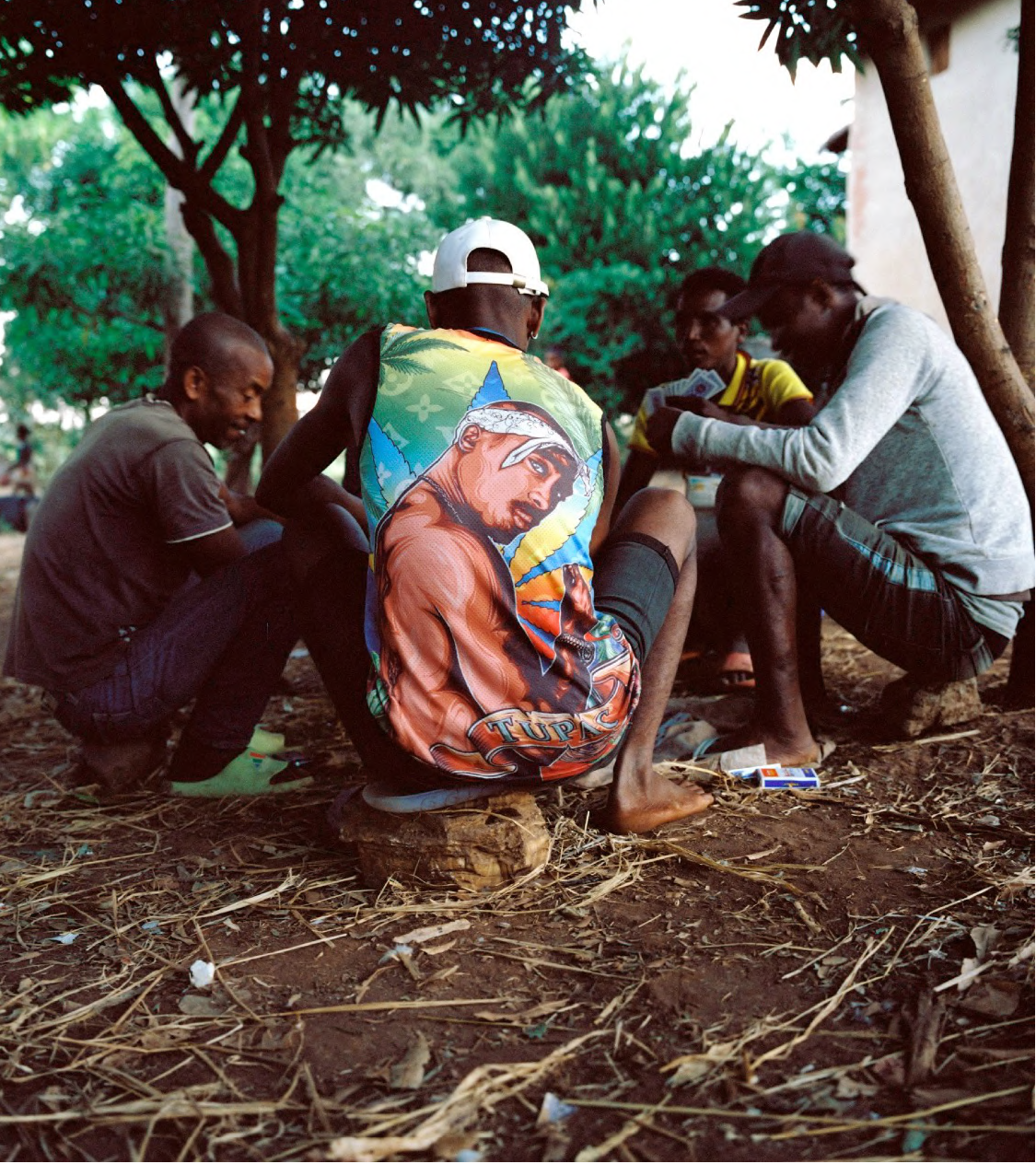
In her latest photographic series (Tsy) Possible, created during a 2024 residency at Fondation H in Antananarivo, Charlotte Yonga turns her lens toward the delicate intersections of love, culture, and belonging in Madagascar. The project takes its name from the Malagasy word tsy (a negation meaning “not” or “no”) paired with the French-inherited word possible, opening up a space between impossibility and possibility.
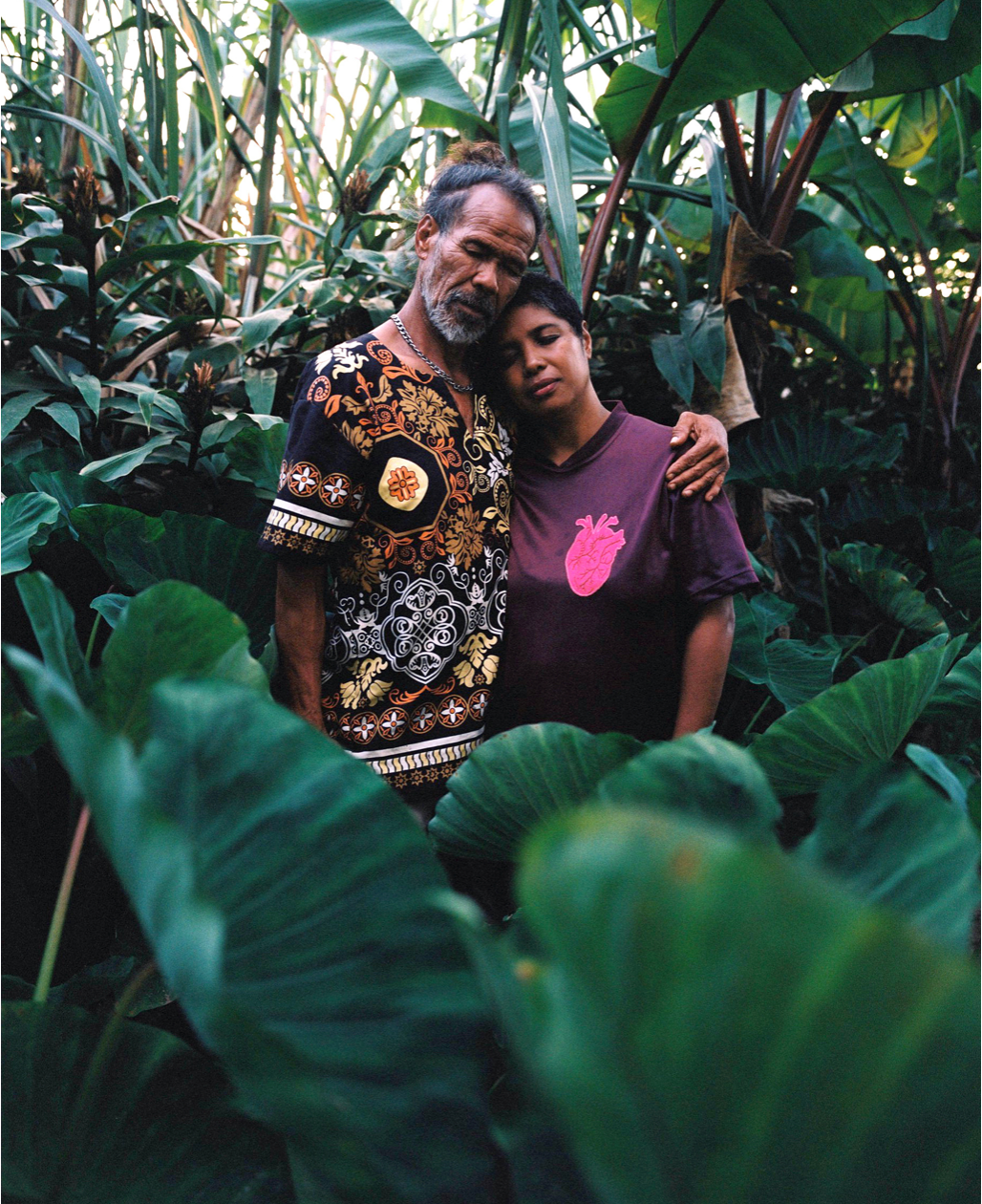
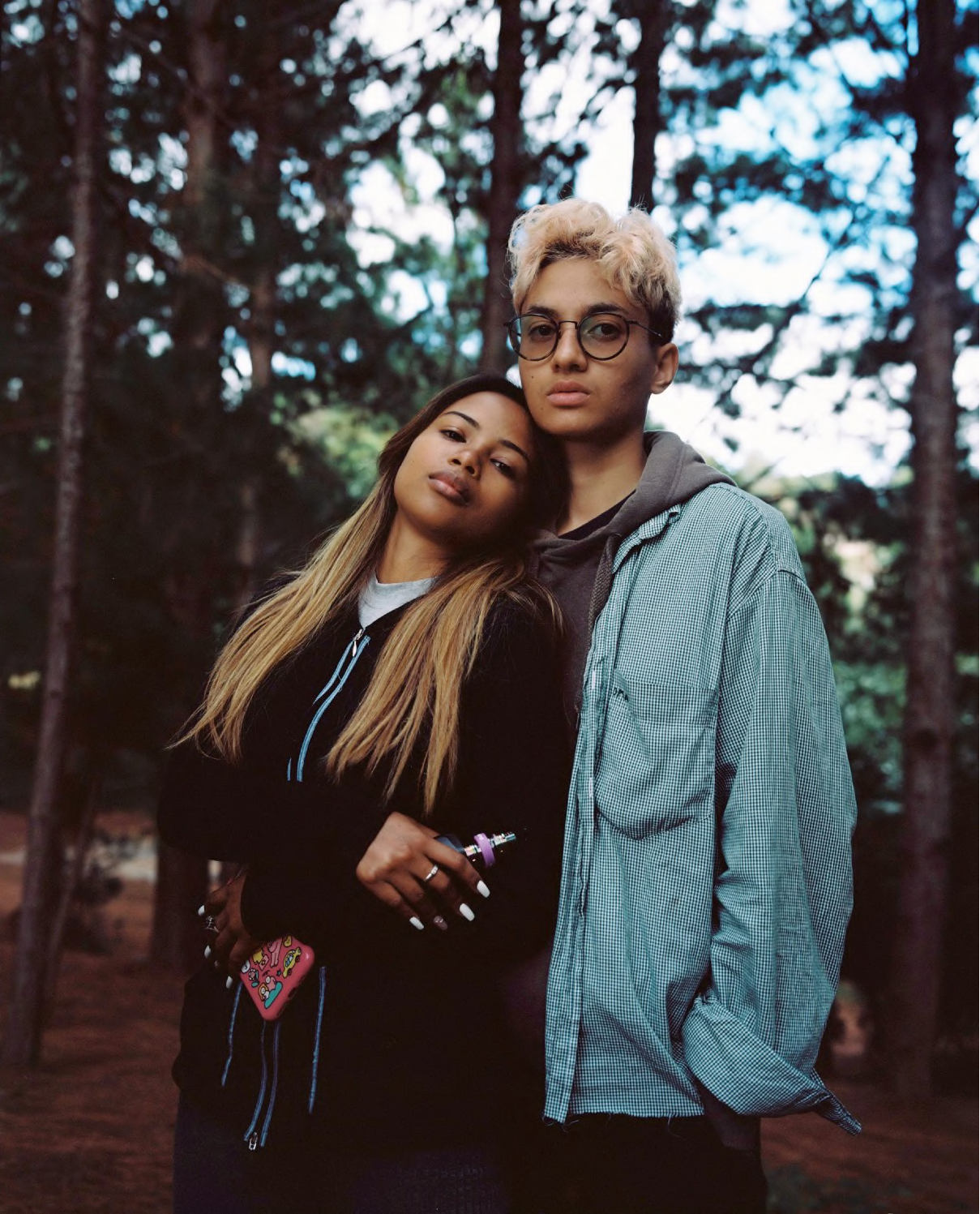
Yonga explores how tenderness unfolds under both freedom and constraint, through intimate portraits and scenes where nature is as present as the people themselves. The series reflects on emotional, familial, and romantic bonds while also engaging with broader cultural realities such as colourism, tradition, and social judgment.
Speaking with GIDA, Yonga shares how her own background and lived experiences informed her approach, how she navigated trust and intimacy with her subjects, and why she sees love [in all its contradictions] as both a universal mirror of society and a form of resistance.
Saidat Animasaun: Could you tell us a little about yourself, perhaps something beyond what’s already known publicly?
Charlotte Yonga: So, I was born in Paris to a French mother and a Cameroonian father. I graduated from ENSAPC (École Nationale Supérieure D’Arts De Paris Cergy) in the Parisian suburbs. I grew up in the countryside, close to a river, in a very old house… actually an old abbey. When I returned to Paris, I studied at the fine art school and experimented with different practices like performance, video, and more, before eventually choosing photography. I fell in love with photography because it allowed me to step outside the studio. I was never really a studio person; I didn’t like those enclosed academic spaces. I felt I had no clear subject to expose from my own mind, only uncertainty.
My father was an undocumented immigrant, and living with that reality pushed me to search for subjects and concepts that felt raw and real. At school, I encountered a lot of standard European references, and they felt cold and detached from lived realities.
This is what led me to street photography — portraits in the street. After school, I went to Oakland, California, for a while, and that’s where I worked on my first project after graduating.
Travel seems to weave through your practice. How central is it to the way you approach your work today?
CY: Yeah, so after graduating, I spent almost two years in Tangier, Morocco, working at the Cinémathèque de Tanger [an independent film centre and archive]. Before that, I also spent some time in California, staying with family. I’ve worked in Cameroon [my country], in Senegal, and more recently in Madagascar. I don’t actually travel that much, but I try to create most of my series outside of France. And I’ve been living in Barcelona for over ten years now!
Your project (Tsy) Possible was born during your 2024 residency at Fondation H in Antananarivo. What aspects of living and working in Madagascar most shaped the vision and direction of this series?
CY: When I first arrived in Madagascar, I didn’t immediately feel part of the culture. The people were quite shy. I had in mind my Central African references, from Cameroon and Senegal, but Madagascar is very specific - it’s an island, and the people and culture have been shaped in ways that are distinct from the rest of the continent.
At first, I was surprised to see people who didn’t strongly identify as African and who were reserved in ways I wasn’t expecting. But over time, as I got to know people, I developed deep, warm connections.
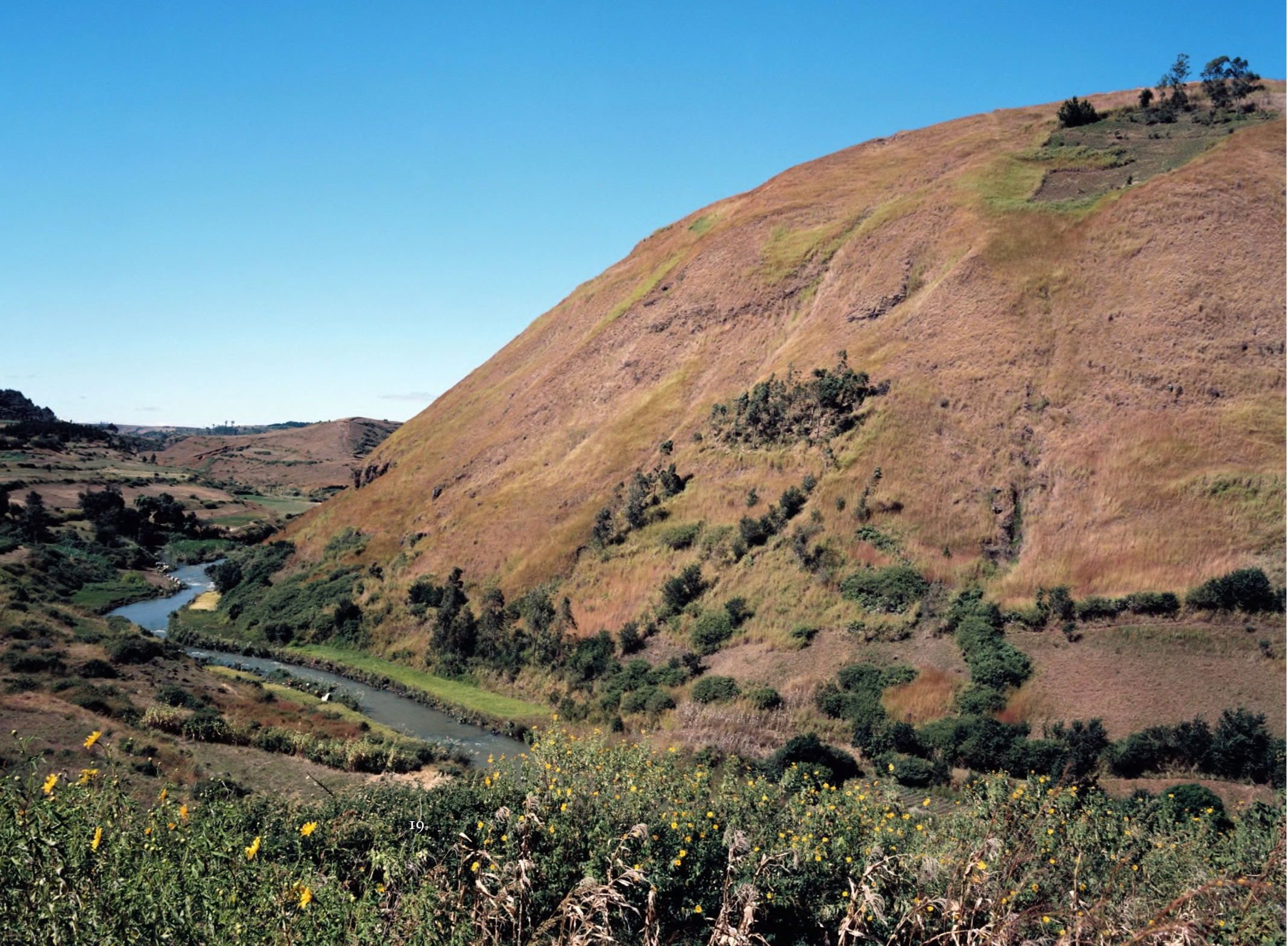
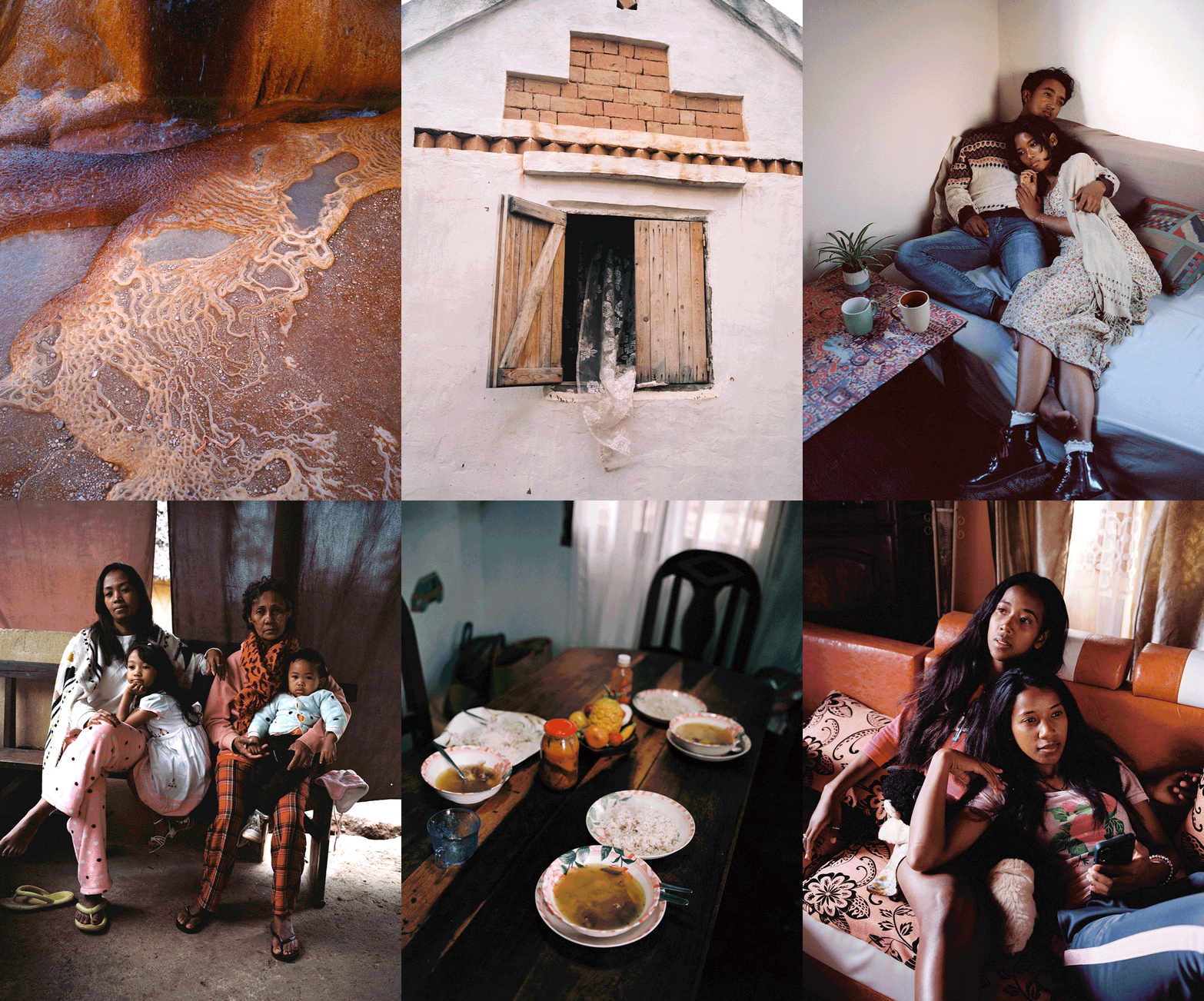
Because of this reserved nature, I felt it wouldn’t be so easy to capture portraits directly. I didn’t want to disrespect people’s boundaries, but I still wanted to tell their stories. So I sought out the intimacy of communities and their connections, whether romantic, platonic, or familial. I also wanted to show the relationship they have with nature, and translate the bienveillance [the kindness, the protective quality] of that environment.
The project’s title holds roots from the Malagasy culture and language. Could you break down the title and how it reflects the themes in your work?
CY: I played with the words. In Malagasy, tsy marks a negation. it's like saying “no,” or a prefix that means “not”. So (tsy)possible can be understood as (im)possible - a play on “(not) not possible.” Interestingly, the word possible doesn’t actually exist in Malagasy. It came from French, so there’s no direct native translation.
At the beginning of my project, the phrase was also the title of a popular song that was everywhere in Madagascar. "Tsy Possible" is by Tiji Negga and Ngiah Tax Olo Fotsy. The lyrics of the song deal with a romantic breakup, expressing feelings of disappointment and resignation. At first, I found it kitsch and cheesy, but by the end of my three-month stay, I was completely in love with it. All I wanted to listen to were Malagasy hit songs. Even though I didn’t understand the lyrics, I fell for the feeling.
By putting tsy in parentheses, I wanted to open up the field of possibilities. It’s like saying: impossible, but maybe not at the same time. That was the thought process.
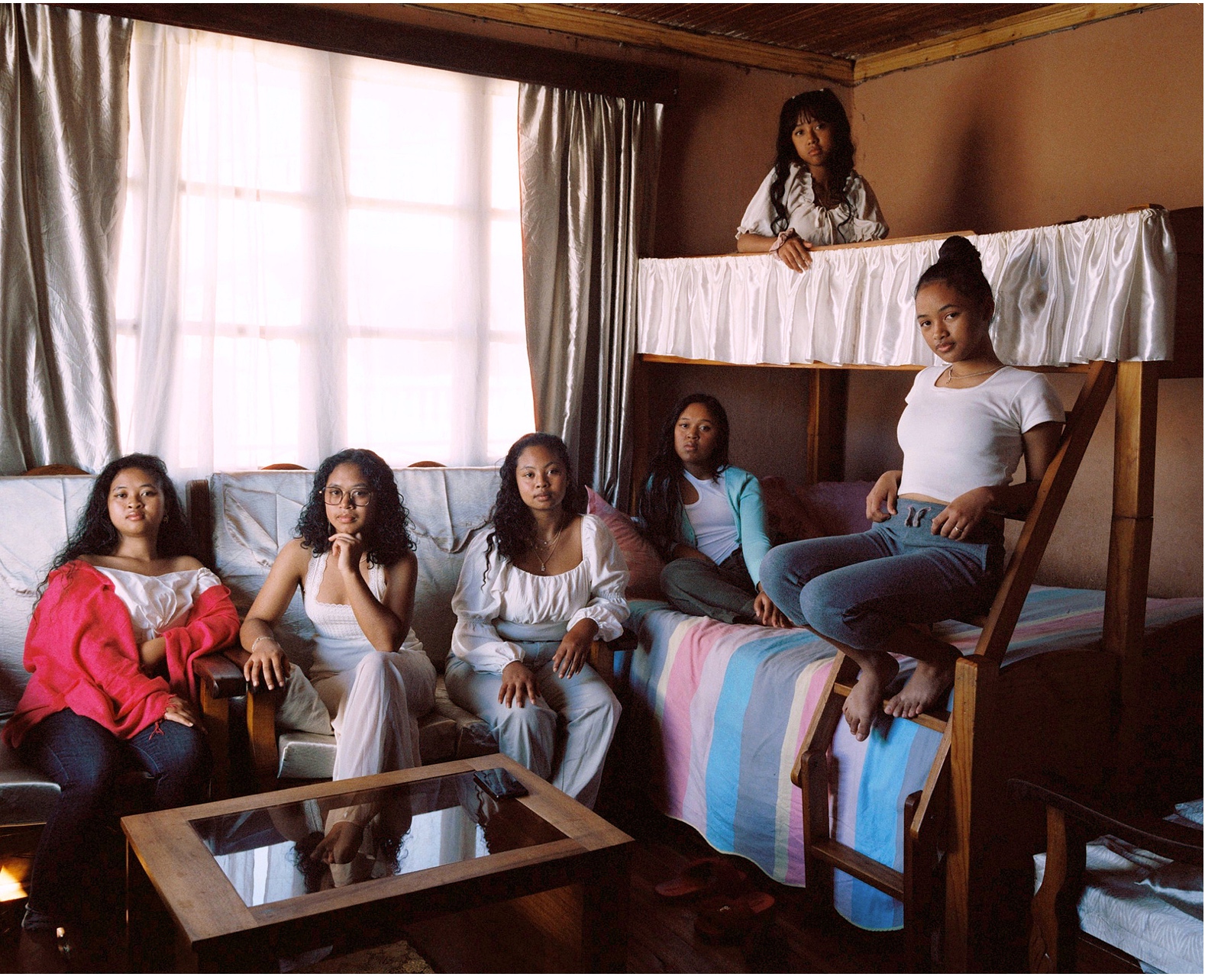
You explore emotional, familial, and romantic dynamics within the Malagasy context. How did you navigate the intimacy of these subjects while also engaging with broader social and cultural commentary?
CY: In Madagascar, there are still uncertainties around mixing between tribes through relationships and marriages. For example, if someone from the capital, Antananarivo, wants to marry someone from the countryside, or from the far north or south, it can cause serious family conflicts. In extreme cases, a person might even be excommunicated from their family and excluded from the family tombeau (ancestral tomb).
These conversations made me realise how complicated love can be. Even the forms of love that seem simple in the Western world are still contested there.
So when I photographed people, I asked myself: how can I make them open to my way of shooting? I worked inside their homes and residential spaces, wanting to feel the earth, the tenderness of skin, and the way people hold themselves. To reach that, I had to be gentle and soft myself, respecting their vulnerabilities.
Ambiguity was also important. I like my portraits to leave the roles of the people unclear, whether they are lovers, family, or friends. I want interpretation to remain fluid. In cinema, I often return to films like In the Mood for Love by Wong Kar-wai and Lost in Translation by Sofia Coppola. Both capture intimacy through what is withheld rather than shown; they reveal how intimacy can live in silence, suggestion, or a single suspended moment. This is a sensibility I try to carry into my photographs.
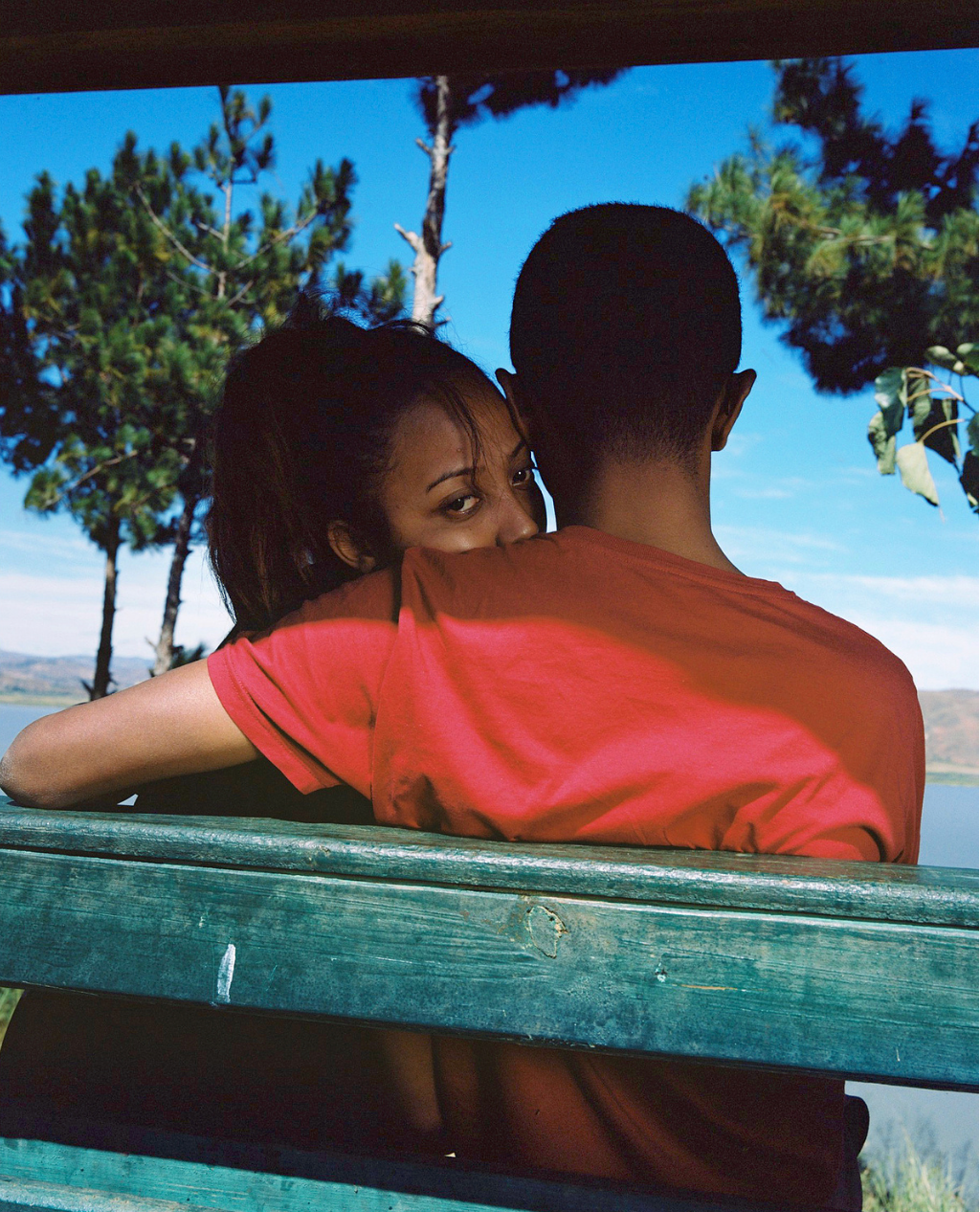
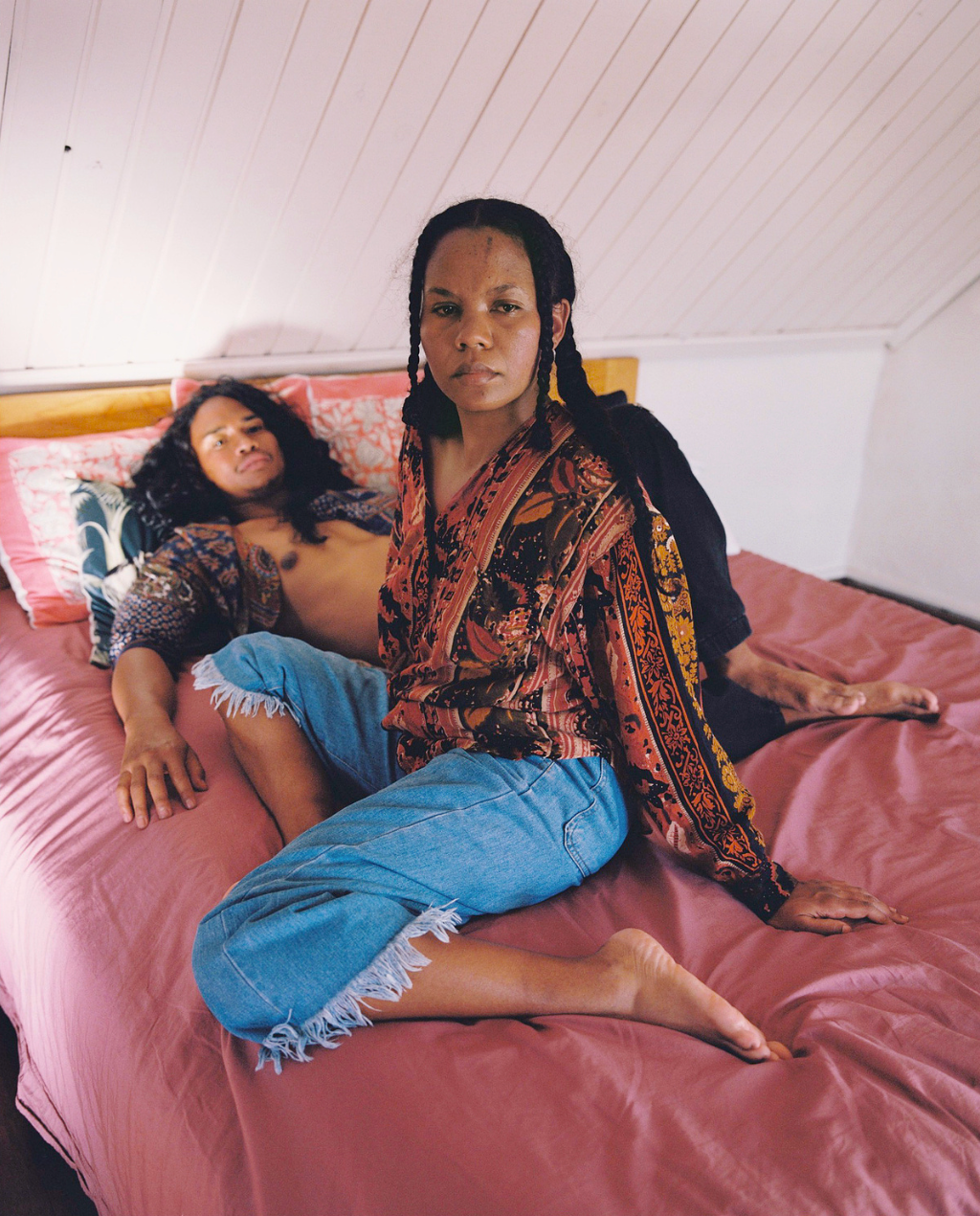
The work also examines the tension between freedom and constraint, both within the intimate and societal contexts. How did you manage to balance these themes in the lives of the people you photographed?
CY: Dealing with love is very powerful. Love is the opposite of war, but it can also create conflict. Society is often too concerned with how others love. That’s why intimacy is so important to me. Love is one of the most universal emotions, yet it can still be a huge problem in many societies.
In my work, I try to show both sides: the strength and the fragility that come with love. Being loved can make you feel powerful, but living with someone can also make you deeply vulnerable. I always thought the idea of love was cheesy, but I’ve come to see it as a mirror of society- it reflects its struggles and contradictions.
More recently, I’ve discovered Bell Hooks, for whom love is not just an intimate feeling but a political and transformative act, grounded in care, respect, and commitment. She sees love as a force capable of healing, resisting oppression, and creating collective bonds of freedom and justice.
To balance freedom and constraint in my images, I leaned into that duality. I wanted my photographs to show people holding their power through love, while also allowing space for their vulnerabilities to surface. That tension is real in Madagascar, where issues like colourism and social judgment still place heavy constraints on people’s choices in love.
When I was younger, I read Milan Kundera, whose writing on love shaped me deeply. He never presented it as an ideal or absolute, but as a fragile balance between freedom and attachment, full of misunderstandings and mismatched desires. His perspective reminded me that love is never simple and understanding that still informs how I see relationships, and inevitably, how I frame them in my work.
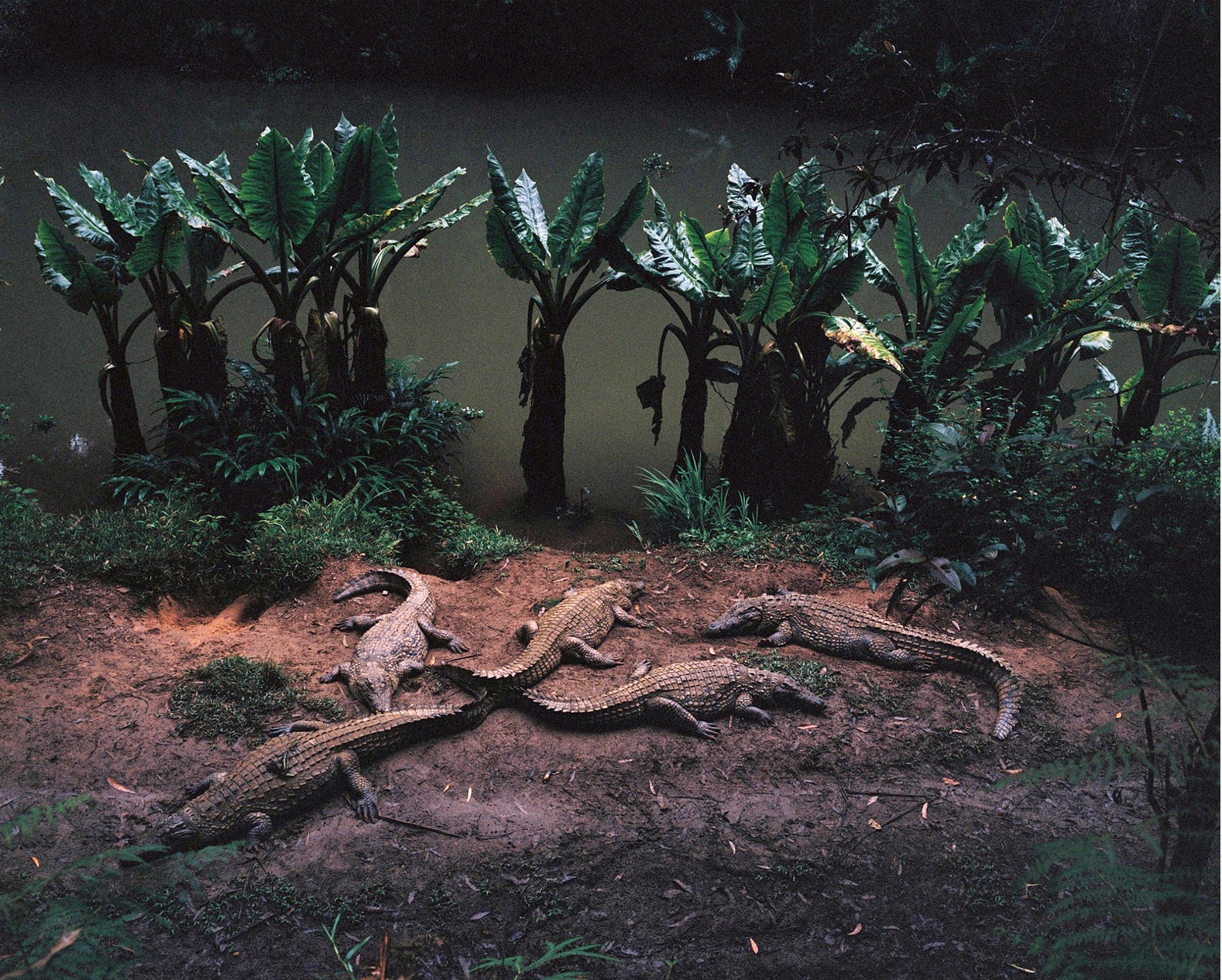
Nature appears as an “active presence” in your description of the project. How did you visually translate this idea so that nature becomes more than just a backdrop in your images?
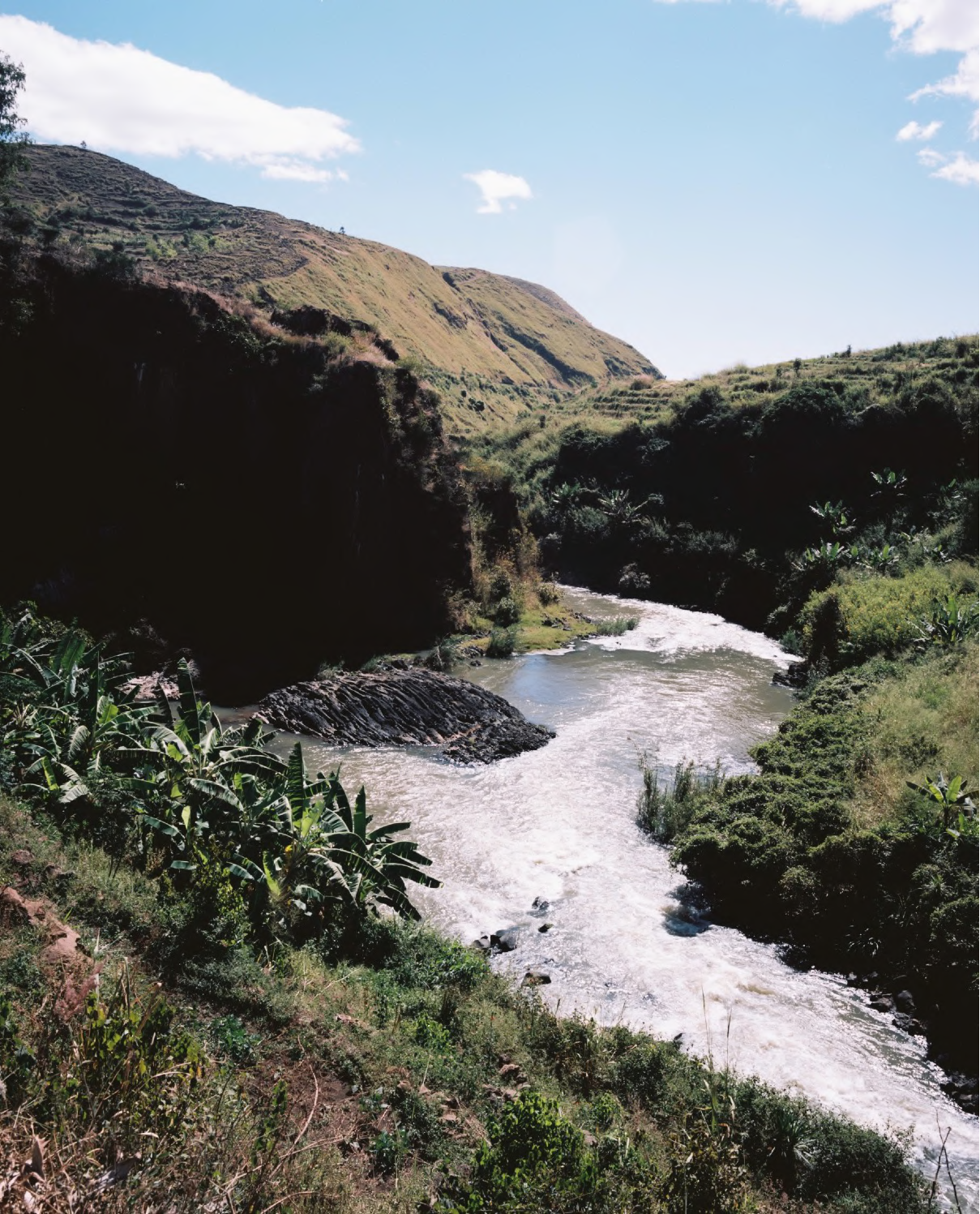
CY: The nature in Madagascar is magnificent, preserved, and cared for by its people. It feels alive.
I lived in the city until I was four, then moved to the countryside, where I grew up with a big garden. Since childhood, I’ve felt connected to nature - sometimes even as though I could speak with it.
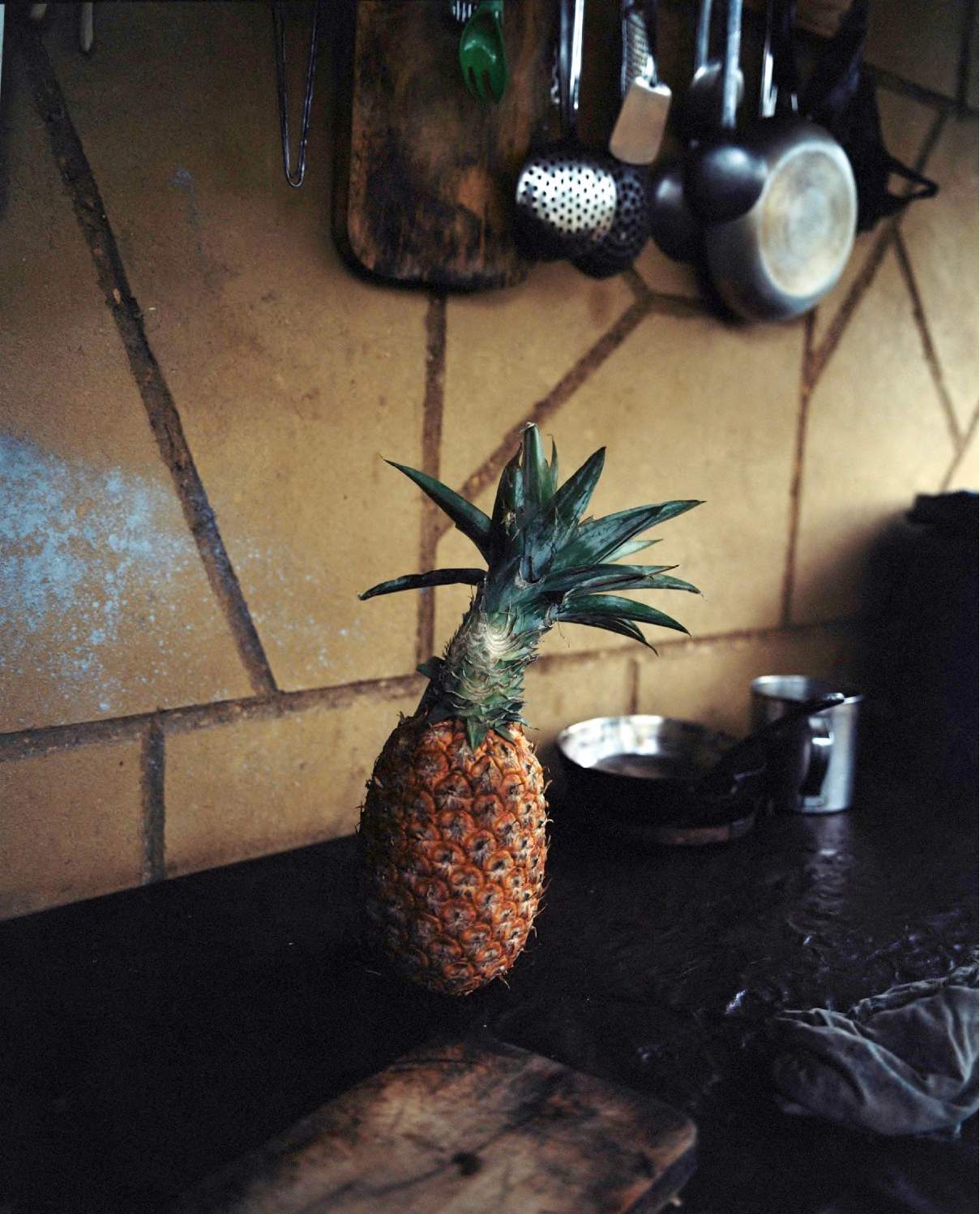
For this series, I wanted to draw parallels between love and nature. When I worked with the landscape, I would mentally, even vocally, speak to it: asking it to pose, telling it it was beautiful.
I approach photographing nature as I do human portraits. And with both, I like to keep some intrigue, some mystery. My photographs are like film stills (arrêt sur image in French), caught moments that suggest something else is about to happen, leaving an ambiguous narrative in the air.
Working between Paris and Barcelona, your practice often engages with cross-cultural perspectives. How did your own background influence the way you approached the Malagasy context?
CY: Being biracial has shaped how I navigate the world. Not fully white, not fully Black. Growing up with this split identity, and now living between two different places, has helped me approach contexts like Madagascar with sensitivity. My appearance has also played a role: in places like Morocco, California, or Cameroon, people can see my African features, but my light skin changes how I’m received.
I’ve experienced different places through these shifting “identity keys.” Sometimes my key fits easily, sometimes not at all. This awareness helped me understand what it would take to integrate into communities, and how important it was to respect them.
Looking ahead, how do you hope ‘(Tsy) Possible’ will resonate with audiences, and what future projects might continue your exploration of underrepresented identities?
CY: I hope audiences resonate with the people I’ve portrayed in this series. I want them to feel close to them, even connected. In university, I was surrounded by references that were very white, Nordic, North American… While I could relate to those images, I realized they lacked representation of diversity and I never felt truly connected to them. That’s why, in my work, emotional connection is essential. If viewers can empathise with the people I photograph, regardless of race, then I’ve achieved my goal. I want people to feel they could reach out and touch them, smell the flowers and trees around them.
Looking forward, I’m beginning a project around mental health and the current state of the world. More broadly, I want us to decolonise representation and shift global perspectives. I’m encouraged that today, young creatives are diverse in race and gender. That’s the kind of world I want to be part of.
GIDA © 2025