

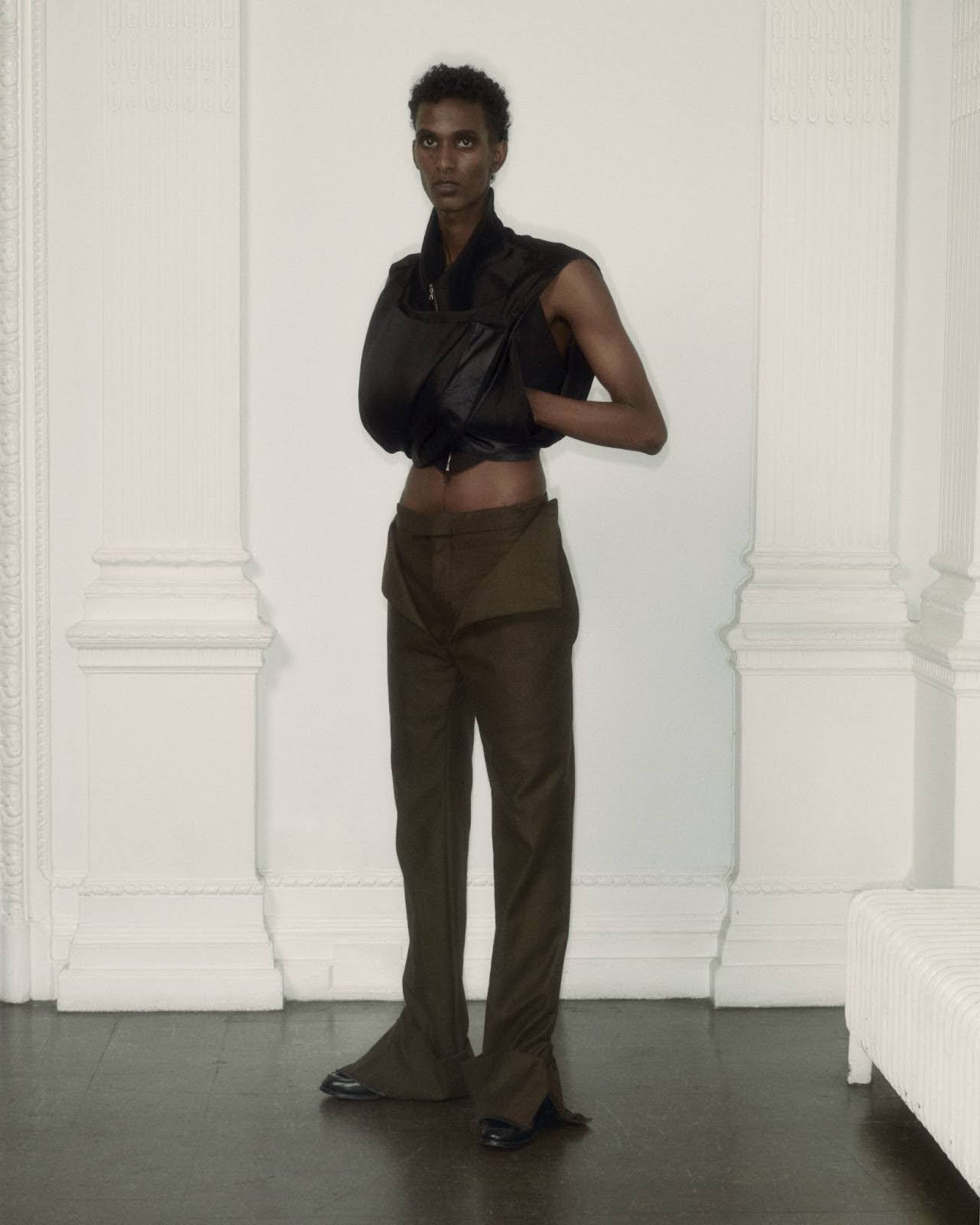
Cameron Williams Marks a Legacy with his Fashion East farewell.
As Fashion East celebrates its 25th anniversary, we speak with designer Cameron Williams about NUBA, his digital-age origins, and the inspirations behind his final collection for the legendary incubator.
Story by Daniel Obaweya
Images courtesy of Cameron Williams
October 2025
For the past twenty-five years, the creative incubator Fashion East has identified, nurtured, and propelled some of London’s most talented designers. Turning nascent fashion students into some of the most sought-after talents in the fashion industry. On the occasion of their 25th anniversary, Central Saint Martins (CSM) graduate Cameron Williams marks the launch of his final collection for the incubator.
Like many of us, Williams' love for fashion began online. The internet is where Cameron’s curiosity for fashion and garment making originated, serving as a foundation for the knowledge he now utilises.
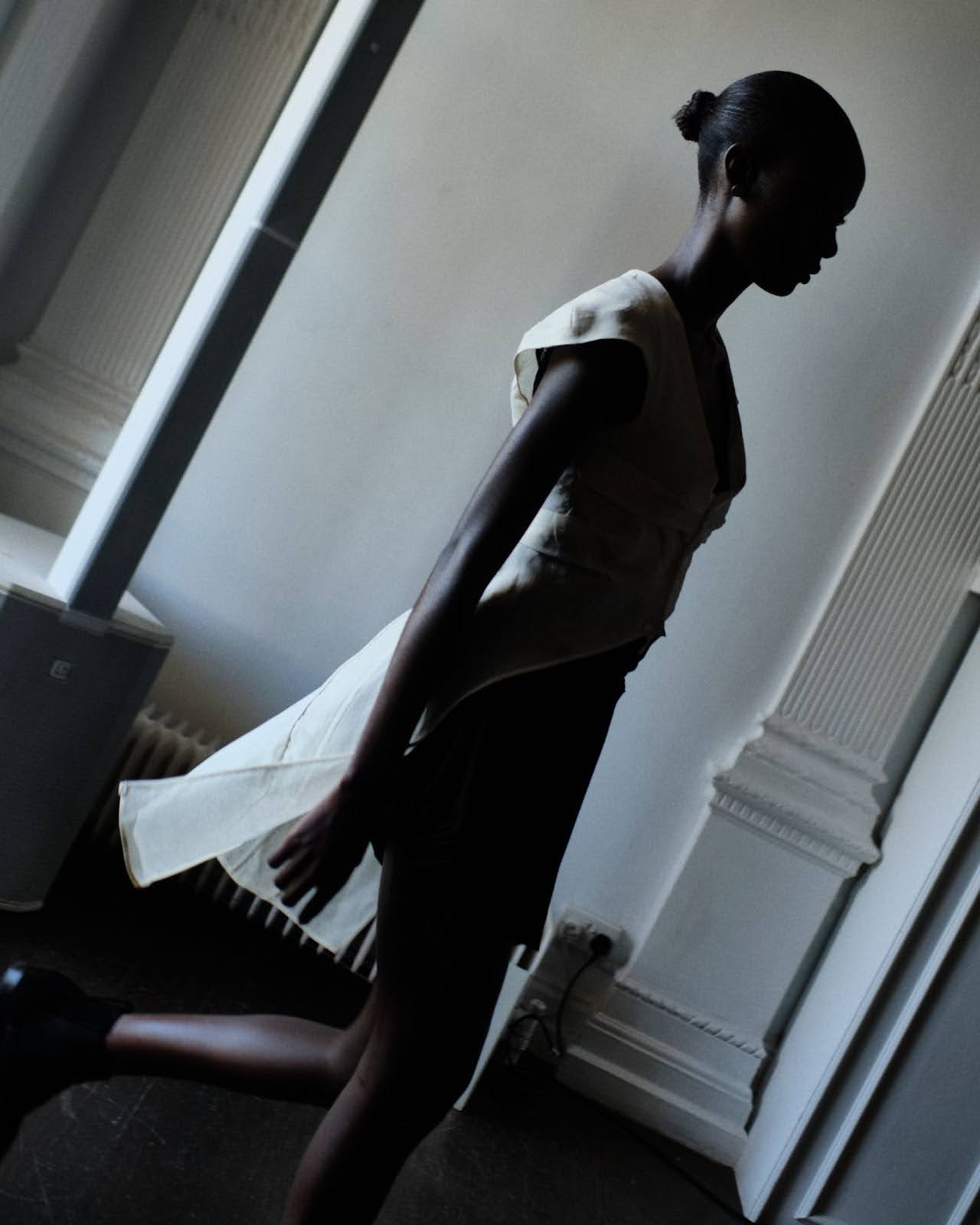
With his SS26 offering, ‘SOLID’ Williams continues to build the wardrobe for the “sophisticated in-betweener,” a term he coined to further distinguish the figure he's dressing.
We speak with Cameron about NUBA, Fashion East, and the inspirations behind his SS26 collection, ‘SOLID’.
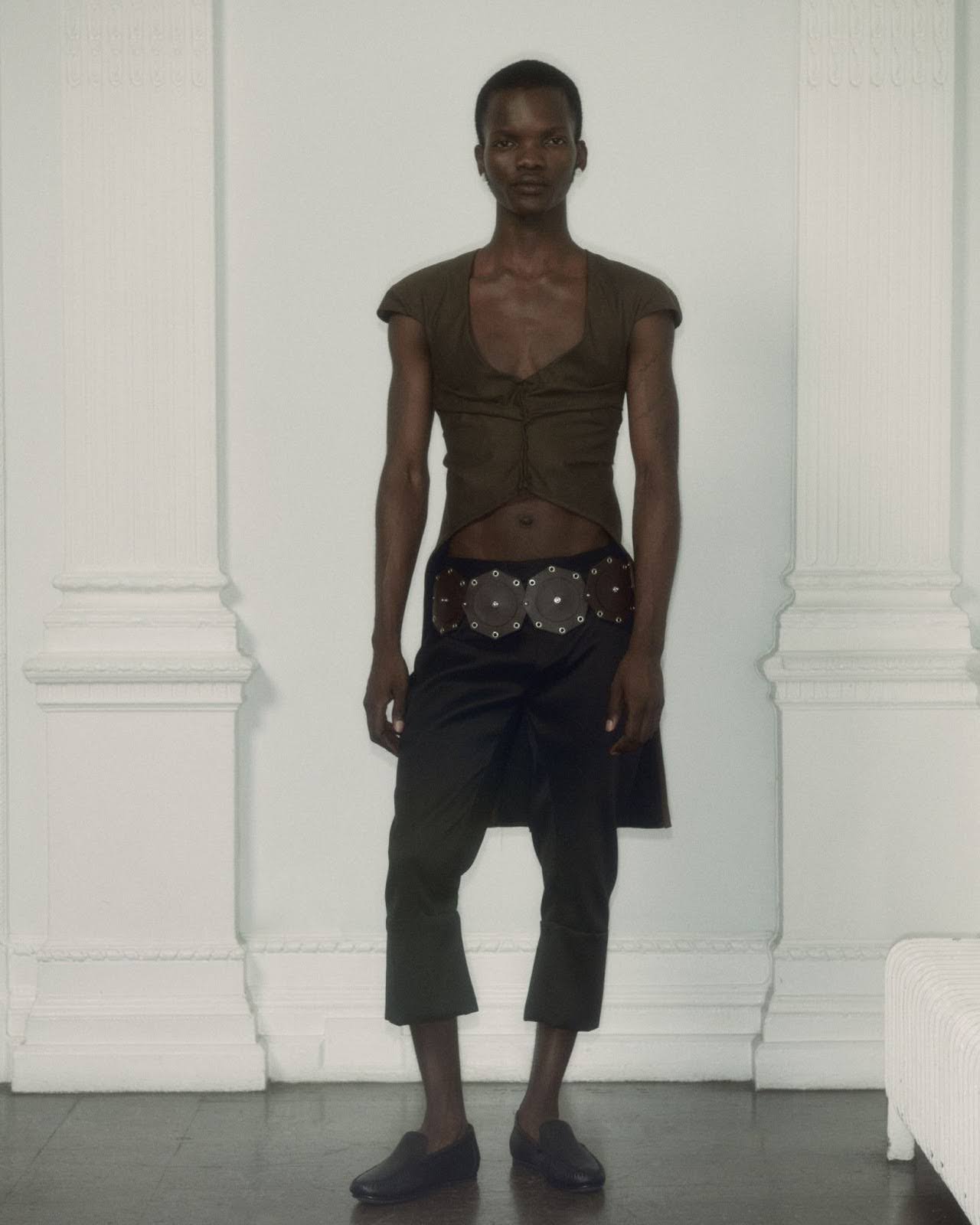
Daniel Obaweya: I want to start by going back. How did you get interested in fashion? I read somewhere that it was through Tumblr and YouTube. As someone who lived on Tumblr, I would love to hear how that happened. Were you introduced to it by someone, or did you find it yourself?
Cameron Williams: Yes, in my teens, Yohji and Rick Owens' Tumblr blogs were my introduction, and later, Comme des Garçons and McQueen. I grew up online, and those platforms were where I first discovered the possibility of storytelling through clothing. They were spaces where fashion collided with music, subcultures, and identity in a way that felt accessible and relatable. I really stumbled into it myself, following so many threads, and seeing how silhouette, layering and colour could communicate an emotion. That early immersion definitely shaped the way I see fashion now.
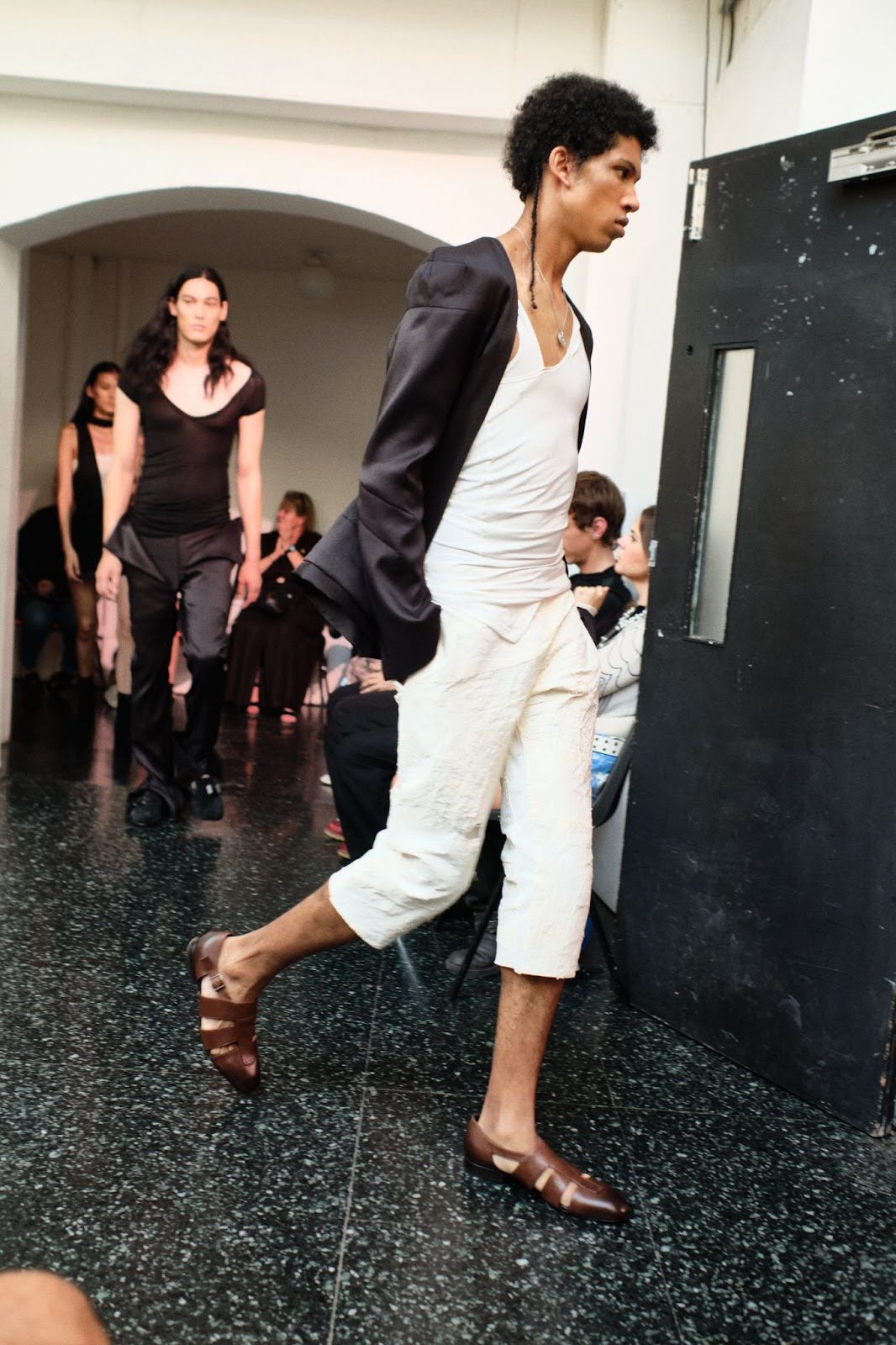
DO: The name NUBA comes from the indigenous NUBA people of Southern Sudan. How did you arrive at that name for your brand, and what is your relationship with Sudan and the continent?
CW: I learned about the group of tribes, including the Dinka and Nuer, collectively known as the Nuba people, early in my studies, as an old derogatory term used by Arab traders. I was deeply moved by their resilience and strength in the face of displacement. Later, I also found that the word ‘Nuba’ also exists in vulgar Latin, as the origin of the word ‘nuance’. Using this name was a way to frame my work as something deeply connected to the physical and cultural displacement of identity, and to showcase the beauty and versatility of how culture can thrive in a new environment, as well as the nuance between one's mother culture and a new geography they find themselves in.
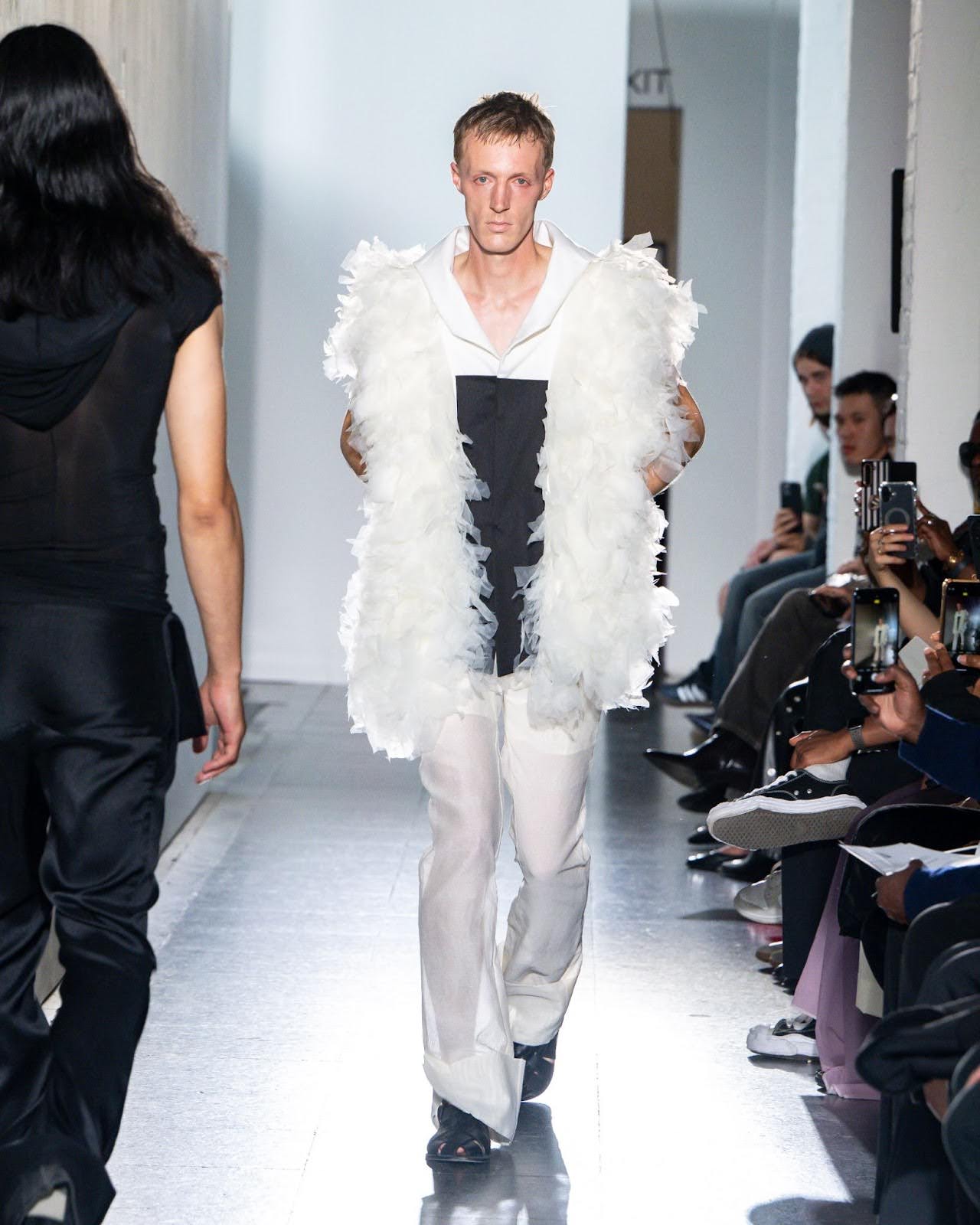
DO: I love the term "sophisticated in-betweener." It reminds me of a scene from an episode of "The Real Housewives of Atlanta," where Nene Leakes discusses being high-low—enjoying both luxury and shopping at Target. It also brings to mind the concept of moving between different worlds and how we can occupy space in various areas. Could you explain that term and its origin?
CW: For me, it reflects my own experience of London, the city's people, and the friends who inspire me. It’s about presence and confidence, a sensuality that comes from within, one that doesn’t need luxury to be expressed or felt. Two things that are anti-fashion in a way, as fashion has become aggressively pro-sex and pro-consumption. The essence of it also has a bit of humour; it comes from mismatched layering and combinations of cultural dress with a metropolitan style that doesn’t exist anywhere else. Taking photos of women and men in the street who dress in this way, layering multiple sweaters or light jackets during winter, while wearing a wrap dress, typical uncle sandals and a Tesco bag. It’s this ‘in between’ that I’m constantly exploring.
DO: Now let's talk about your SS26 offering ‘SOLID’. This is your third and final collection with Fashion East, coinciding with their 25th anniversary. How does it feel to be a part of such an illustrious incubator that has launched some of London's most considerable talents, as well as many household names in fashion?
CW: Fashion East has shaped so much of London fashion history, and being part of that legacy has been incredible. Contributing during their 25th anniversary feels like a full circle moment — like adding my own voice to a conversation that has launched designers I’ve admired for years. It’s been a platform not just for visibility, but for experimentation, which has allowed me to build a foundation for what Nuba will become.
DO: Looking at the clothes from this collection, I sense an air of sensuality in the cuts and airy fabrications. Can you tell me about the inspiration behind it? What fabrication techniques did you use?
CW: It began with questions of sacrifice and compromise — what we give up in pursuit of happiness. However, as it developed, it became about resilience and confidence when those choices are put to the test. The sensuality in the collection isn’t overt — it’s carried in how fabric moves, how it conceals and reveals, how it layers around the body. It’s about a quiet confidence, a grounded sensuality, that’s more about presence than display.
DO: Since this is your last collection for Fashion East, I would love to discuss your future plans. Have you considered what's next for you and the NUBA brand?
CW: This is really a turning point. With Fashion East, I’ve been able to experiment and define our voice. Now it’s about scaling that into a sustainable, independent brand — building the wardrobe for the “sophisticated in-betweener” in London and beyond. Deepening the community around the brand is my focus.
GIDA © 2025